
Premium fresh dog food is worth the price for some dogs, and a waste of money for others. It earns its cost when the recipe is complete and balanced, when a qualified nutrition professional shaped the formula, and when your dog actually eats better on it — steadier digestion, a coat you can see change, energy that lasts. Without those three, you’re paying for packaging and a good story.
Fresh food sits at the top of the dog food shelf, and the shelf knows it. Gently cooked meals arrive in neat pouches, portioned by name, smelling like actual dinner. Dogs notice. Owners notice the bill. So which part of that bill buys nutrition, and which part buys theatre?
What “fresh” really means
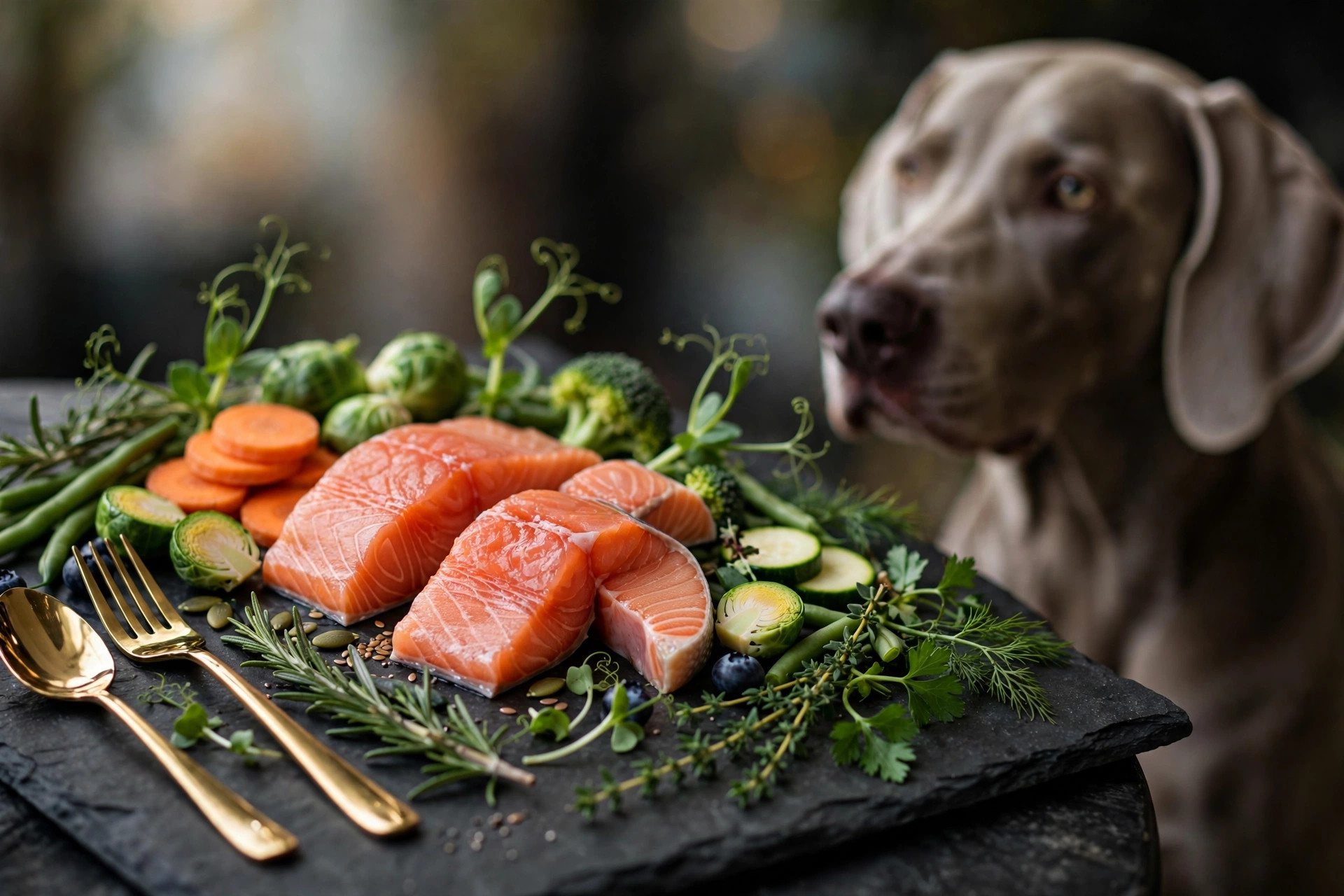
Fresh dog food is usually gently cooked rather than baked at high heat or served raw. The ingredients look recognizable: named meats, vegetables you can pick out, grains or legumes in many recipes. That look is pleasant, and it does signal shorter processing. It doesn’t, on its own, prove a better diet.
What proves a diet is the nutrient profile, not the photo. The Association of American Feed Control Officials, known as AAFCO, publishes nutrient profiles for adult maintenance and for growth and reproduction. A label that states a food is “complete and balanced” for your dog’s life stage, meeting AAFCO profiles or passing feeding trials, tells you far more than a rustic font ever will.
The three questions that decide value
1. Who formulated the recipe?
The World Small Animal Veterinary Association, WSAVA, advises owners to ask who designed a food and what their training is. Strong answers name a board-certified veterinary nutritionist or a PhD animal nutritionist on staff. Weak answers talk about a founder’s love of dogs. Love is lovely. It is not a credential.
2. Is it complete and balanced for your dog?
A food can be gorgeous and still be a topper, not a diet. Toppers and mixers are fine as extras, but a main food needs that complete and balanced statement for the right life stage. Puppies, pregnant dogs, and seniors with health conditions need particular care, and large-breed puppies need controlled calcium — a detail AAFCO profiles address and marketing rarely mentions.
3. Does your dog do well on it?
Give a new food a fair trial, once you’ve transitioned slowly. Watch stool quality, coat, itch, weight, and appetite over several weeks. A dog who thrives is data. A dog who leaves half the pouch and produces loose stools has voted, whatever the label promised.
Where the money goes
Fresh food costs more for plain reasons. Ingredients humans recognize cost more than rendered meals. Gentle cooking, cold storage, and fast shipping add layers kibble never carries. Portioning by your dog’s name and weight is a service, and services bill accordingly.
Do the honest maths before you subscribe. Take the monthly price and divide by thirty for a daily cost. Compare that with your current food’s daily cost, worked out the same way. The gap is what you’re really deciding about. For a small dog, the gap may be modest. For a large, athletic dog eating generous portions, it can be the size of a car payment. Neither answer is wrong. Both deserve clear eyes.
When fresh food earns its place
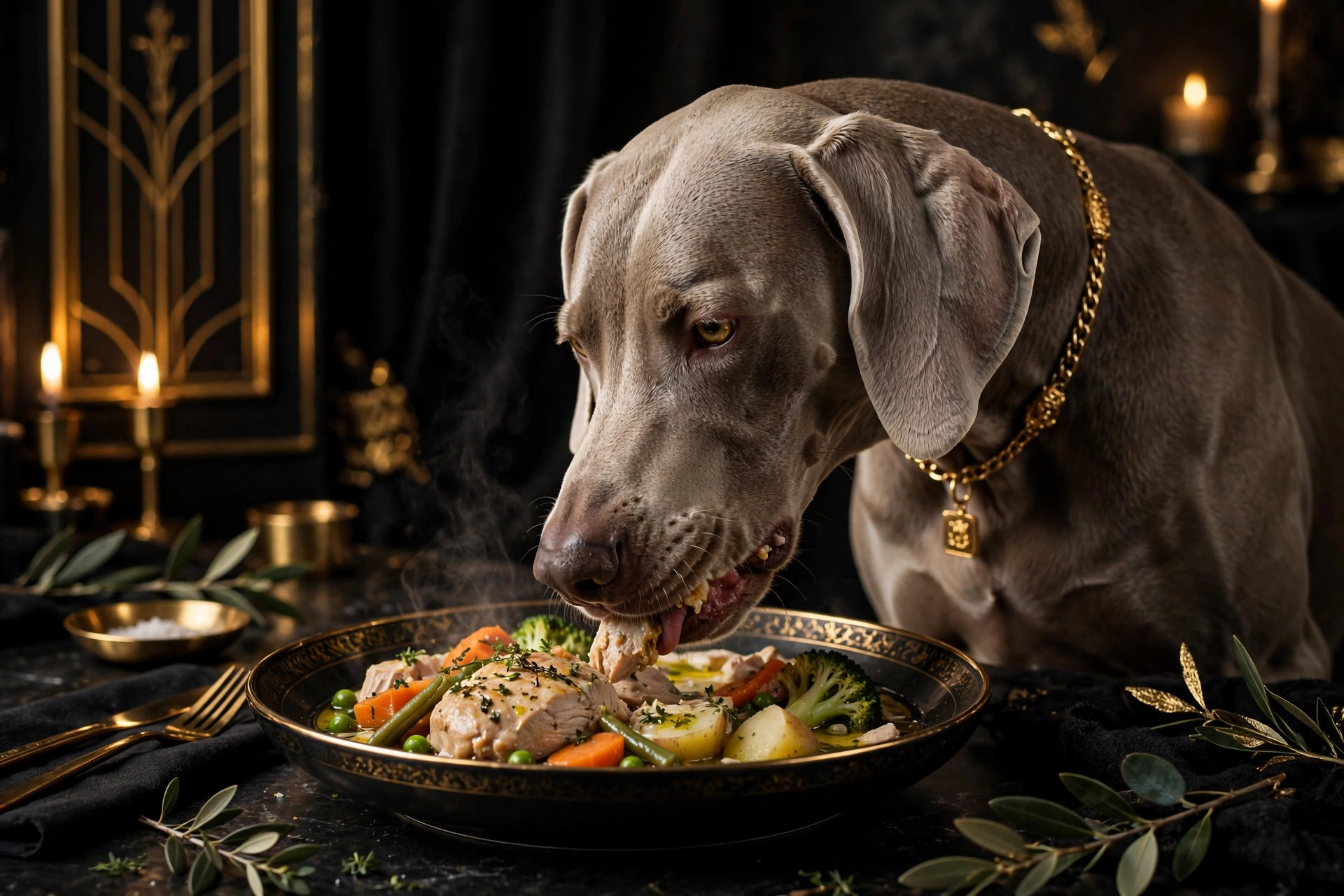
Picky eaters. A dog who snubs bowl after bowl often eats fresh food with real enthusiasm, and a dog who eats consistently is easier to keep at a healthy weight.
Dogs who need portion discipline. Pre-portioned pouches remove the generous scoop problem. Owners routinely over-pour kibble; a sealed portion ends the negotiation.
Owners who want ingredient clarity. If knowing exactly which meat and which vegetables went in matters to you, fresh recipes usually disclose more, in plainer language, than a dense kibble panel.
When you can skip it
A healthy dog thriving on a complete, well-made kibble does not need rescuing. If coat, weight, energy, and digestion are all good, the kindest upgrade may be none at all. Fresh food also asks more of you: freezer space, thawing ahead, strict hygiene with bowls, and travel plans that don’t suit a picnic cooler. Dogs with certain medical conditions need therapeutic diets instead, and those come through your vet, not a subscription quiz.
How to transition without the mess
Rush this and you’ll blame the food for a problem the schedule caused. Move over seven to ten days:
- Days one and two: three quarters old food, one quarter fresh.
- Days three and four: half and half.
- Days five and six: one quarter old, three quarters fresh.
- Day seven onward: fully fresh, watching stool and appetite as you go.
Slow down a step if stools soften. Store pouches as the maker directs, serve at the temperature your dog prefers, and wash bowls after every meal — fresh food spoils in a way dry food forgives.
Reading a fresh food label, line by line
Turn the pouch over. The front is advertising; the back is evidence. Start with the ingredient list, which runs in descending order by weight before cooking. A named meat — chicken, beef, salmon — should lead. “Meat” with no species named tells you little, and a long parade of fruit and vegetable garnishes after the main ingredients adds colour more than nutrition.
Next, the guaranteed analysis. Protein and fat percentages on a fresh food look low beside kibble, and that confuses many owners. Fresh food carries a great deal of water, so its numbers are diluted. To compare fairly, a nutritionist would convert both foods to a dry-matter basis, removing the water from the maths. If a maker can’t give you dry-matter figures, or a full nutrient profile on request, that silence is an answer too.
Finish with the calorie statement and the feeding guide. A serious brand states calories per pouch or per cup and portions by weight and activity, not by guesswork. Your dog’s ribs remain the final judge: you should feel them under a light fat cover, not hunt for them, and not count them from across the room.
The palace view
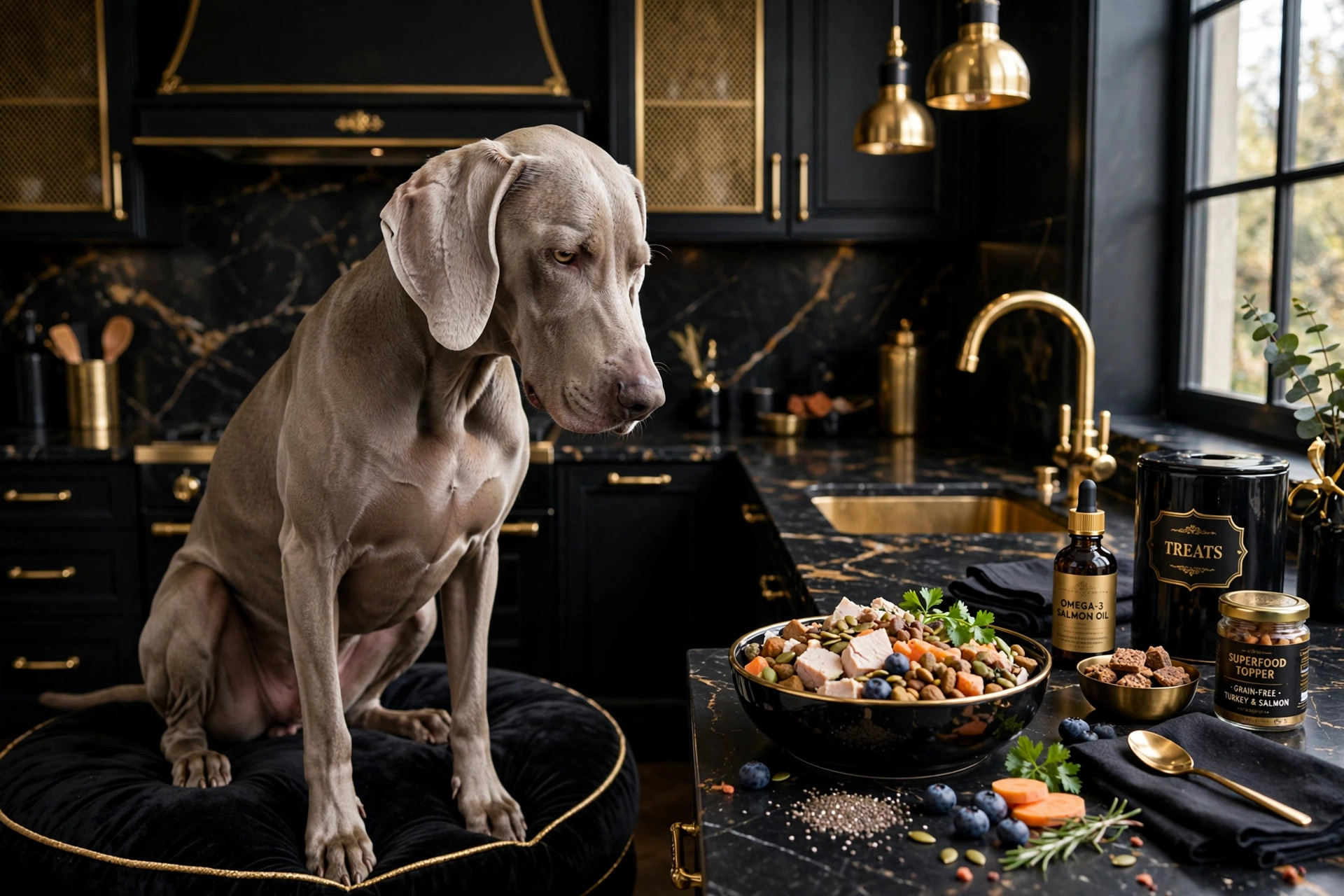
Luxury, done properly, is not a higher price. It’s a higher standard, quietly met. A fresh food that names its nutrition expert, carries a proper complete and balanced statement, and keeps your dog glossy, keen, and comfortable has earned its place at the bowl. A fresh food that offers a story, a pretty pouch, and little else has earned a polite no. Read the label the way you’d read a menu at a serious restaurant: with pleasure, and with questions.
Fresh is one format among several, and it only makes sense in context. Our complete guide to premium pet nutrition explains what premium, human-grade and gourmet really mean — and how to run the cost-per-day math on any food you’re weighing up.
FAQ
Is fresh dog food healthier than kibble?
Not automatically. A complete and balanced kibble can meet a dog’s needs very well, and a poorly formulated fresh food can fall short. Judge by the AAFCO statement, the formulator’s qualifications, and how your individual dog does on the food.
How do I know if a fresh food is complete and balanced?
Check the label for a nutritional adequacy statement saying the food is formulated to meet AAFCO Dog Food Nutrient Profiles, or that it passed animal feeding tests, for your dog’s life stage. WSAVA suggests asking the maker who formulated the recipe and whether that person is a qualified nutritionist.
Can I mix fresh food with kibble?
Yes, many owners do. A fresh topper over a complete kibble adds aroma and interest without the full subscription cost. Keep total daily calories in view, since toppers add up, and transition gradually to avoid stomach upset.
Is fresh food safe to handle?
Treat it like your own cooked food: keep it refrigerated or frozen as directed, thaw in the fridge, wash hands, bowls, and surfaces after serving, and discard leftovers that have sat out. Dogs with medical conditions, and households with vulnerable people, should discuss raw diets with a vet — gently cooked fresh food avoids many raw-feeding concerns.
This article was created with AI assistance and reviewed by our editorial team before publishing.
 Feeding an Irish Wolfhound, the Gourmet Way
 Premium Pet Nutrition: Fresh, Human-Grade and Gourmet Food, Explained
 Bone Broth and Meal Toppers: A Gourmet Finishing Touch
Leave a Reply